
You keep yourself and your family safe by knowing when to change brake fluid on time. Changing brake fluid is essential because it helps your car stop fast and safely. Old or dirty brake fluid can lead to brake failure. Did you know that 22% of car crashes are attributed to brake problems? The table below illustrates why changing brake fluid is crucial for safety.
Statistic | Value |
|---|---|
Brake crashes from system issues | 22% |
Preventable brake failures with maintenance | 80% |
Injury rate from brake-related crashes | 35% |
Easy checks and regular changes of brake fluid can make a significant difference.
Table of Contents
Key Takeaways
Change brake fluid every two or three years. This helps keep your brakes safe. It also makes them work well. Old brake fluid can take in water. This can cause brakes to fail. It can also make your car take longer to stop. Look for warning lights on your dashboard. Notice if the brake pedal feels different. These signs mean you may need new brake fluid. Check brake fluid levels often. Look at the color of the fluid. If it looks dark or dirty, change it soon. Read your owner’s manual for advice. It will tell you how to care for your brake fluid.
Brake Fluid Basics
What Brake Fluid Does
You rely on brake fluid every time you press the brake pedal. This special liquid makes your car stop by transferring the force from your foot to the wheels. The process starts when you step on the pedal. The master cylinder pushes brake fluid through the brake lines. The pressure moves to the calipers, which squeeze the brake pads against the rotors. This friction slows down or stops your car.
Without brake fluid, your car’s brakes would not work at all. The brake system depends on this fluid to deliver strong and even stopping power.
There are several types of brake fluid used in passenger vehicles. Each type has different properties that affect how well it works and how long it lasts. Here is a simple table to help you understand the main types:
Type | Composition | Boiling Point | Moisture Absorption | Compatibility |
|---|---|---|---|---|
DOT 3 | Glycol-based | Higher than water | Yes | Commonly used |
DOT 4 | Glycol-based | Higher than DOT 3 | Less than DOT 3 | Good for high temperature |
DOT 5 | Silicone-based | Higher than DOT 3 | No | Not compatible with glycol |
DOT 5.1 | Glycol-based | Higher than DOT 4 | Less than DOT 3 and 4 | Improved performance |
Why Fresh Fluid Matters
You need fresh brake fluid to keep your car safe. Over time, brake fluid absorbs moisture from the air. This lowers its boiling point and can cause problems when you need to stop quickly. Old or dirty brake fluid can lead to longer stopping distances, a soft brake pedal, or even sudden brake failure.
Reduced braking efficiency means your car takes longer to stop.
Brake fade can happen if vapor bubbles form in the lines, making the brakes feel weak.
Corrosion inside the system can damage parts and lead to expensive repairs.
Many people think brake fluid never needs to be changed. In fact, about 19% of drivers believe this myth. The truth is, most car makers recommend changing brake fluid every two or three years. Fresh brake fluid keeps your brakes working their best and helps prevent accidents.
Tip: Check your owner’s manual for the right type and schedule for your car.
You protect yourself and your passengers by keeping brake fluid fresh and clean. This simple step helps your brake system work smoothly and keeps you safe on the road.
Risks of Old Brake Fluid
Moisture and Contamination
You cannot see inside your car’s brake system. Old brake fluid can pick up bad things as time passes. Brake fluid is hygroscopic, so it takes in water from the air. This happens even when you are not driving. When water gets in, the boiling point drops. If you press the brakes, heat can turn water into steam. Steam can be squeezed, so the brake pedal might feel soft. Your car might not stop as fast as before.
Common things that get in brake fluid are:
Water from wet air
Small pieces of rust from metal parts
Dirt and tiny bits from old seals or hoses
Note: Even if you do not drive much, water can still get in and cause trouble.
Brake fluid does not work as well when it gets old. DOT 3 and DOT 4 fluids soak up water and can make metal parts rusty. Rusty parts can break and leave bits in the fluid. Dirty fluid can block small paths and hurt important parts.
Safety Hazards
You take a risk if you do not change old brake fluid. Water and dirt can cause many problems:
Brakes do not work as well, so stopping takes longer.
The brake pedal can feel soft or go down too far.
You might hear weird sounds or smell something burning when braking.
Old fluid can turn to vapor and make bubbles, so brakes do not work right.
Water makes rust, which can cause leaks or even total brake failure.
If you skip changing brake fluid, you might pay for repairs. You must keep your car safe by law. If you do not, you could be blamed if there is a crash. Insurance might not pay if bad brake fluid caused the accident.
Tip: Change brake fluid often to stay safe and avoid these problems.
You keep yourself, your passengers, and others safe by using clean brake fluid.
Signs You Need to Change Brake Fluid
Warning Lights and Low Fluid
You can spot early signs of brake fluid trouble by watching your dashboard. Modern cars use warning lights to alert you when something is wrong. If you see a brake warning light, you should not ignore it. This light often means the brake fluid level is low. Sometimes, it can also point to worn brake pads or other brake system issues. Both problems can make your car less safe.
Dashboard warning lights can indicate low brake fluid levels.
They may also signal worn brake pads.
Both issues can jeopardize braking efficiency and safety.
You should always check your owner’s manual to learn what each warning light means. If you see a brake warning light, you can use an OBD-II scanner or visit a service center to find out the exact problem. Never turn off or ignore a warning light without fixing the cause. Your safety depends on quick action.
Low brake fluid can happen for several reasons. You might have a leak, or the fluid may have become old and dirty. If you need to add brake fluid often, you should ask a mechanic to check for leaks or other problems. You keep your brakes working well by acting fast.
Pedal Feel and Smells
You can also notice changes when you drive. The way your brake pedal feels tells you a lot about your brake fluid. When you press down on the brake pedal, it should feel firm and responsive. If the pedal feels soft or spongy, there could be air in the brake lines or a brake fluid leak. Low brake fluid can drastically reduce your car’s braking power.
You might also smell something strange when you use the brakes. A burning smell can mean the brake fluid is overheating or breaking down. This can happen if you wait too long to change brake fluid. If you notice these signs, you should replace brake fluid soon.
Tip: Trust your senses. If your brakes feel different or you smell something odd, check your brake fluid right away.
You protect yourself and others by paying attention to these signs. Quick action helps you avoid bigger problems and keeps your car safe.
When to Change Brake Fluid
Recommended Intervals
You might ask how often you should change brake fluid. Most car makers say to change it every two or three years. Some say to do it every 45,000 miles. Others say at least every three years, even if you do not drive much. Look at the table below for common advice:
Manufacturer Recommendation | Interval |
|---|---|
Some manufacturers | Every 2 years |
Other manufacturers | Every 3 years |
Some manufacturers | Every 45,000 miles |
Some manufacturers | No specific recommendation |
Some car makers do not give a clear answer. If your manual does not say, check the fluid at least once a year. You can also ask a mechanic you trust for help. Do not guess when to change brake fluid. Waiting too long can be risky.
Brake fluid does not last forever. It takes in water from the air, even if your car is parked. This is called being hygroscopic. Water in the fluid lowers its boiling point over time. When this happens, your brakes may not work well, especially if you need to stop fast. Always follow the schedule for changing brake fluid to keep your brakes strong and safe.
Tip: If you change brake pads, check and maybe change brake fluid too.
Factors That Affect Timing
You might need to change brake fluid more often in tough driving. Many things can change how often you need new brake fluid. Here are some important things to think about:
Aggressive driving heats up brakes and wears out fluid faster.
Stop-and-go traffic puts stress on brakes and breaks down fluid sooner.
Long highway trips are easier on brakes, so fluid lasts longer.
High-performance driving, like racing or towing, makes a lot of heat and can boil the fluid.
Moisture builds up in the fluid over time, even if you do not drive much.
Think about the weather where you live. Extreme hot or cold can change how brake fluid works. The table below shows how temperature affects your brakes:
Temperature Condition | Effect on Brake Fluid | Impact on Braking Efficiency |
|---|---|---|
Cold Weather | Thickens brake fluid | Reduces braking efficiency |
High Temperatures | Thins brake fluid | Reduces braking efficiency |
Both hot and cold weather can make brakes work less well. Moisture in the fluid makes this worse. If you live where the weather changes a lot, check your brake fluid more often.
Always pay attention to how your brakes feel. If the pedal feels soft or spongy, or you smell something burning, you may need new brake fluid sooner. Regular checks and changes keep your brakes working well and help you stay safe.
Note: Regular maintenance is the best way to avoid brake problems. You keep yourself and your passengers safe by knowing when to change brake fluid and acting before trouble starts.
How to Change Brake Fluid
Checking Fluid at Home
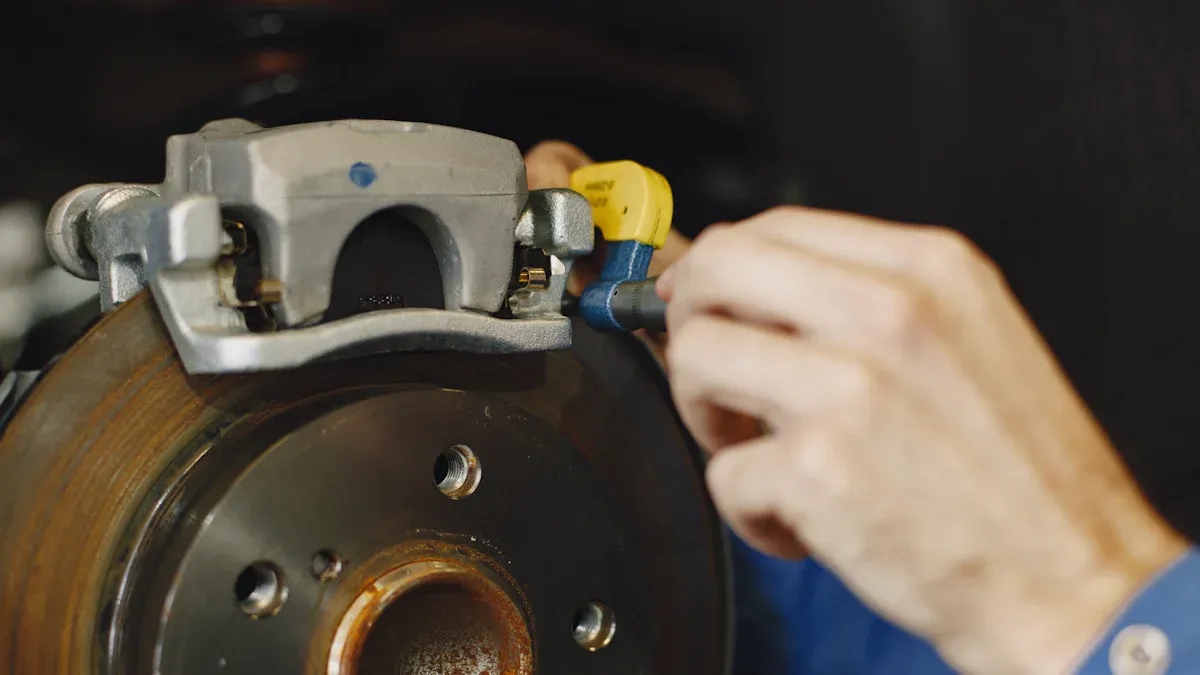
You can perform a brake fluid check at home with a few simple steps. Start by locating the brake fluid reservoir under the hood. Most reservoirs use clear or semi-translucent plastic, so you can see the fluid level without opening the cap. Wipe the outside of the reservoir for a clear view. Look for the maximum and minimum lines and make sure the fluid sits between them.
Find the brake fluid reservoir and clean it for a clear reading.
Check the fluid level against the indicator lines.
If the fluid is low, add more and consult a mechanic.
Remove the cap to inspect the color. Fresh brake fluid looks clear or light yellow. Dark or murky fluid means you should replace brake fluid soon.
Tip: Use brake fluid test strips or a pen tester for a quick brake fluid check. These tools help you know if the fluid is still good.
Always wear gloves and safety glasses when you handle brake fluid. If you spill any, wash it off your skin or car parts with water right away.
When to See a Mechanic
You should see a mechanic if you notice problems during your brake fluid check. Signs include a spongy or soft brake pedal, longer stopping distances, or a burning smell when you brake. If the ABS light comes on or you see dirty, dark fluid, a professional needs to flush the system.
Spongy pedal feel or pedal sinking to the floor
Longer stopping distances
ABS warning light on the dashboard
Dirty or dark brake fluid
Burning smell during braking
A mechanic uses special tools to replace brake fluid and remove air from the lines. Most shops charge between $50 and $225 for this service. You keep your brakes working well and stay safe by letting experts handle complex brake fluid changes.
Note: Regular brake fluid check and timely service help prevent expensive repairs and keep you safe on the road.
You keep yourself and others safe by changing brake fluid on time. Checking brake fluid often helps you avoid big problems. It also keeps your brakes working well. Experts say brake fluid care is very important. It matters more than many other car tasks. Good brake fluid keeps your car safe. It also saves you money on fixing things. Brake fluid takes in water from the air. If you wait too long, your brakes may not work right.
Taking care of brake fluid stops brake failures and crashes.
Dirty fluid makes brakes weaker and less safe.
Not checking brake fluid can break important parts.
Make checking brake fluid a regular habit to stay safe. Doing this easy check helps you feel calm every time you drive.
FAQ
How do you know when to change brake fluid?
You can check the color and level of your brake fluid. If it looks dark or dirty, you should change it. A soft brake pedal or warning light also means you need new fluid.
What happens if you never change brake fluid?
You risk brake failure if you never change brake fluid. Old fluid absorbs water and dirt. This can cause rust, weak brakes, and longer stopping distances. You keep your car safe by changing it on time.
How much does a brake fluid change cost?
You usually pay between $100 and $225 for a brake fluid change at a repair shop. The price depends on your car and where you live. Regular service helps you avoid bigger repair bills.
Can you check brake fluid at home?
You can check brake fluid at home. Look for the reservoir under the hood. Make sure the fluid is between the lines and looks clear. If you see dark fluid, you should schedule brake maintenance soon.
Is brake fluid the same as other car fluids?
Brake fluid is different from oil or coolant. It works under high pressure and heat. You should only use the type your car’s manual recommends.

A skilled Mechanical Engineer with a passion for automotive technology, our writer combines technical expertise with storytelling to craft engaging and insightful automotive content. Fascinated by the latest advancements in vehicles, he enjoys exploring cutting-edge innovations and often sets out on early morning drives to uncover scenic routes and fresh inspiration for his writing.