
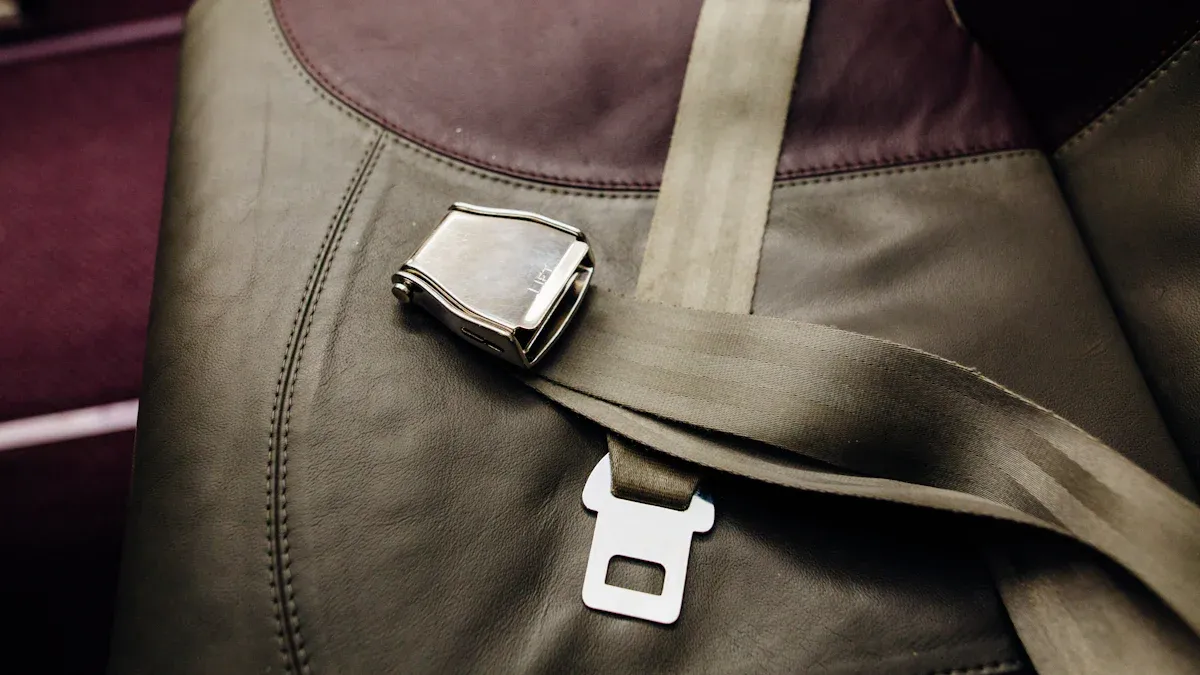
You can Fix Seat Belt problems by checking for dirt, straightening the belt, cleaning the buckle, and adding a little lubricant if needed. Most jammed seat belts just need basic tools you already have at home. Take action right away to keep your car safe and your seat belt working. 🛠️
Table of Contents
Key Takeaways
Check your seat belt often for dirt or small things stuck in it. Clean the buckle and the webbing to stop jams and help it work well.
If the webbing is twisted, straighten it slowly. Pull the seat belt out gently and guide it back so you do not make it worse.
Use a silicone-based spray to make the retractor move better. This spray helps the parts move easily and does not let dirt stick.
Look for signs that something is wrong, like strange sounds or if it is hard to pull back. If you see these problems, you may need an expert to fix it.
Keep your seat belts clean and working right to stay safe. A seat belt that works well can help protect you in a crash.
Why Seat Belts Get Jammed
Dirt and Debris Obstruction
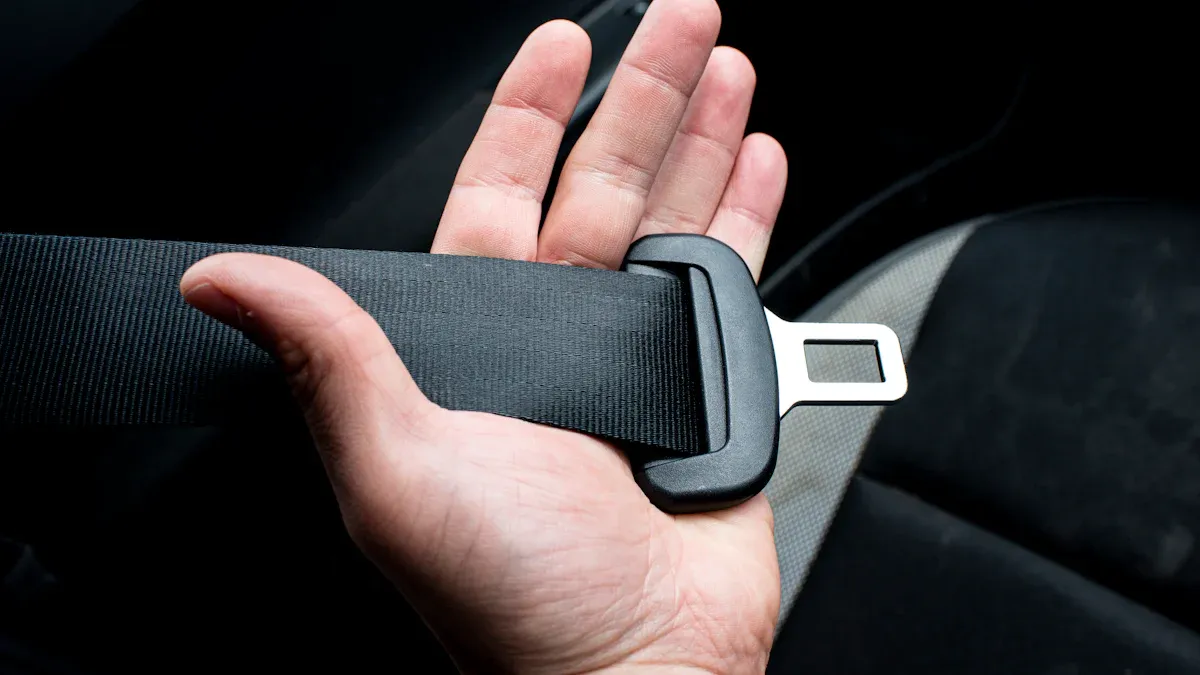
You probably use your seat belt every day. Over time, dirt and small objects can sneak into the buckle or retractor. Everyday dirt, tiny pieces of debris, and even misplaced coins love to hide in these spots. When this happens, the seat belt may not pull out or retract smoothly. You might notice the belt feels sticky or gets stuck halfway.
Tip: Check for crumbs, sand, or coins if your seat belt feels jammed after a trip to the beach or a snack in the car.
Twisted or Folded Webbing
A twisted or folded belt can cause big problems. If you yank the belt too quickly or let it snap back, the webbing can twist inside the retractor. Sometimes, the belt folds over itself and refuses to move. This makes it hard for the belt to slide in and out. You may see a wrinkle or a twist near the buckle. Straightening the webbing usually helps the belt work again.
Common reasons for twisted webbing:
Pulling the belt at an angle
Letting the belt snap back too fast
Not checking for folds before buckling up
Retractor or Buckle Malfunction
The retractor and buckle are the heart of your seat belt. If they stop working, you will notice right away. Sometimes, the retractor locks up because of a sudden stop or a sharp pull. Other times, age-related wear and tear can make the mechanism stick. The buckle can also jam if something blocks the latch.
Here are some common causes of seat belt issues, according to auto repair pros:
Dirt and grime build-up
Retractor lock malfunctions
Emergency lock engagement
Twisted belt webbing
Age-related wear and tear
If you spot any of these problems, you can often fix them at home. If the belt still jams, you might need a professional to check it out.
How to Fix a Jammed Seat Belt
Getting a jammed seat belt working again is easier than you might think. You can fix seat belt problems at home with a few simple tools and a little patience. Let’s walk through each step so you can get back on the road safely.
Inspect and Clean the Buckle
Start with the buckle. Dirt and crumbs love to hide inside, making it hard for the latch to click or release. Here’s what you can do:
Check for debris
Look inside the buckle for crumbs, sand, or small objects. Shine a flashlight if you need to see better.Blow out the dirt
Use compressed air to blast away loose debris. If you don’t have compressed air, a toothpick can help poke out stubborn bits.Wipe down the surface
Grab a soft, edgeless microfiber towel. Spray a little Chemical Guys Lightning Fast Stain Extractor on the towel, then gently clean the buckle. This cleaner removes tough stains but keeps the seat belt safe. Avoid harsh chemicals because they can damage the fire-retardant coating.
Tip: Never soak the buckle with water. Moisture can mess up the internal mechanism.
Straighten and Clean the Webbing
Twisted or dirty webbing can cause a stuck seat belt. You can fix seat belt webbing by following these steps:
Untwist the belt
Pull the seat belt out slowly. If you see a twist, remove the trim around the retractor (if possible) and guide the webbing back into place. Don’t yank the belt. Slow and steady works best.Clean the fabric
Spray Chemical Guys Lightning Fast onto a soft-bristle interior detailing brush. Scrub the webbing gently. Wipe away the cleaner with a color-coded microfiber towel to avoid cross-contamination. Rinse with warm water if needed, then let the belt dry completely before using it.Avoid common mistakes
Never use stiff bristles or oil-based cleaners. These can damage the belt and attract more dirt. Always use fabric-safe products and soft brushes.
Note: If the belt feels sticky or won’t retract, cleaning the webbing often solves the problem.
Reset and Lubricate the Retractor
Sometimes, the retractor gets stuck and won’t let the belt move. You can fix seat belt retractor issues by resetting and lubricating it:
Reset the mechanism
Pull the seat belt out as far as it will go. Hold it there for a few seconds. Let it retract slowly. This can reset the emergency lock.Lubricate the retractor
If the belt still feels stiff, use a silicone-based spray. Spray a small amount on the moving parts of the retractor. Silicone lubricants help the mechanism move smoothly and don’t attract dust. Never use oils or grease because they make things worse.Safe lubricants:
Silicone-based spray
Avoid:
Oil-based lubricants
Grease
Watch out for sensors
Some seat belt systems have safety sensors. If you need to remove trim or covers, check your car’s manual first. Breaking a sensor can affect your airbags or warning lights.
Alert: Forcing the belt or using the wrong lubricant can damage the seat belt. Take your time and use the right products.
Common Tools for At-Home Repairs
Here’s a quick table of tools you’ll want for cleaning and fixing a jammed seat belt:
Tool | Use |
|---|---|
Soft interior brush | Clean webbing |
Edgeless microfiber towels | Wipe surfaces, prevent snags |
Interior detailing towel set | Avoid cross-contamination |
Compressed air | Remove debris from buckle |
Chemical Guys Lightning Fast | Clean stains safely |
Spray bottle & warm water | Rinse webbing |
Toothpick | Remove stuck debris |
You can fix seat belt issues by following these steps and using the right tools. If you run into a stuck seat belt or a jammed seat belt that won’t budge, don’t force it. Take a deep breath and try each step. Most problems clear up with a little cleaning and patience. If you still can’t fix seat belt problems after trying these tips, you might need help from a professional.
When to Fix a Broken Seat Belt or Seek Help
Signs of Mechanical Failure
Sometimes, a seat belt problem goes beyond dirt or a simple twist. You might notice warning signs that mean you need more than a quick fix. Watch for these issues:
Difficulty extending or retracting the belt. If the belt feels stuck or moves with resistance, the retractor could be failing.
Unusual sounds or grinding noises. Strange noises often mean something is wrong inside the mechanism.
Frequent lock-ups, even when you move slowly. This can point to a faulty locking system.
Sluggish retraction. If the belt pulls back slowly, the spring or internal parts may have problems.
Visible damage or wear. Frayed webbing or cracks in the plastic housing are serious safety risks.
Faulty seat belt buckle sensor. If the sensor fails, your car might not know if you are buckled up.
Damaged wiring or loose connections. These can cause warning lights or affect airbag systems.
Malfunctioning seat occupancy sensor. This can stop the car from warning you about unbuckled passengers.
Tip: If you see any of these signs, do not ignore them. A stuck seat belt or broken sensor can put your safety at risk.
Professional Repair vs. DIY
You can fix a broken seat belt at home if the problem is minor, like dirt or a twist. But some issues need a pro. DIY repairs might not solve deeper problems and can even make things worse. Frayed webbing, jammed retractors, or problems after a crash always need expert help. Trying to fix these at home can lead to more damage or even break the law. Visible repairs can also cause your car to fail safety inspections.
Professional repairs cost between $150 and $500, but they are often cheaper than replacing the whole seat belt system. Fixing small problems early can save you money and keep you safe. Experts can repair only the parts that need it, so you do not pay for unnecessary replacements.
“The cost of repair is insignificant compared to the potential consequences of seat belt failure during an accident.” — James Wilson, Insurance Safety Coordinator
DIY fixes work for simple cleaning or untwisting. If you notice frayed belts, broken sensors, or if your seat belt is stuck after a crash, call a professional right away. Only a trained technician can make sure your seat belt meets safety standards and works when you need it most.
Keeping your seat belts clean and working right keeps you safe and comfortable. When you clean and check your seat belts, you help them stay flexible, odor-free, and ready to protect you in a crash. Here’s why it matters:
Clean seat belts last longer and work better.
Working seat belts lower your risk of serious injury or death by up to 45%.
Seat belts stop you from getting thrown out of the car.
If you spot a problem, fix it fast or ask a pro for help. Your safety always comes first! 🚗💡
Region/Country | Exemption Date | Details |
|---|---|---|
United States | January 1, 1968 | Vehicles made before this date may not need seat belts by law. |
United Kingdom | Pre-1966 vehicles | Some older cars do not require seat belts. |
International | Varies by country | Rules change by country, so always check local laws. |
FAQ
Can I fix a jammed seat belt myself?
Yes, you can fix most jammed seat belts at home. You just need basic tools and a little patience. If you notice damage or the belt won’t budge, call a professional.
What causes the seat belt mechanism to get stuck?
Dirt, twisted webbing, or a faulty retractor lock can make the seat belt mechanism stick. Cleaning and straightening the belt usually solves the problem.
Is it safe to use lubricant on my seat belt?
You can use a silicone-based spray on the retractor. Avoid oil or grease. These attract dirt and can damage the seat belt.
How often should I clean my seat belt?
Clean your seat belt every few months or after spills. Regular cleaning keeps the belt working and helps prevent jams.
What should I do if my seat belt won’t retract?
Try pulling the belt out slowly and letting it retract. If it still sticks, check for twists or dirt. If nothing works, you may need expert help.
Tip: Always test your seat belt after cleaning to make sure it locks and retracts smoothly.

A skilled Mechanical Engineer with a passion for automotive technology, our writer combines technical expertise with storytelling to craft engaging and insightful automotive content. Fascinated by the latest advancements in vehicles, he enjoys exploring cutting-edge innovations and often sets out on early morning drives to uncover scenic routes and fresh inspiration for his writing.