
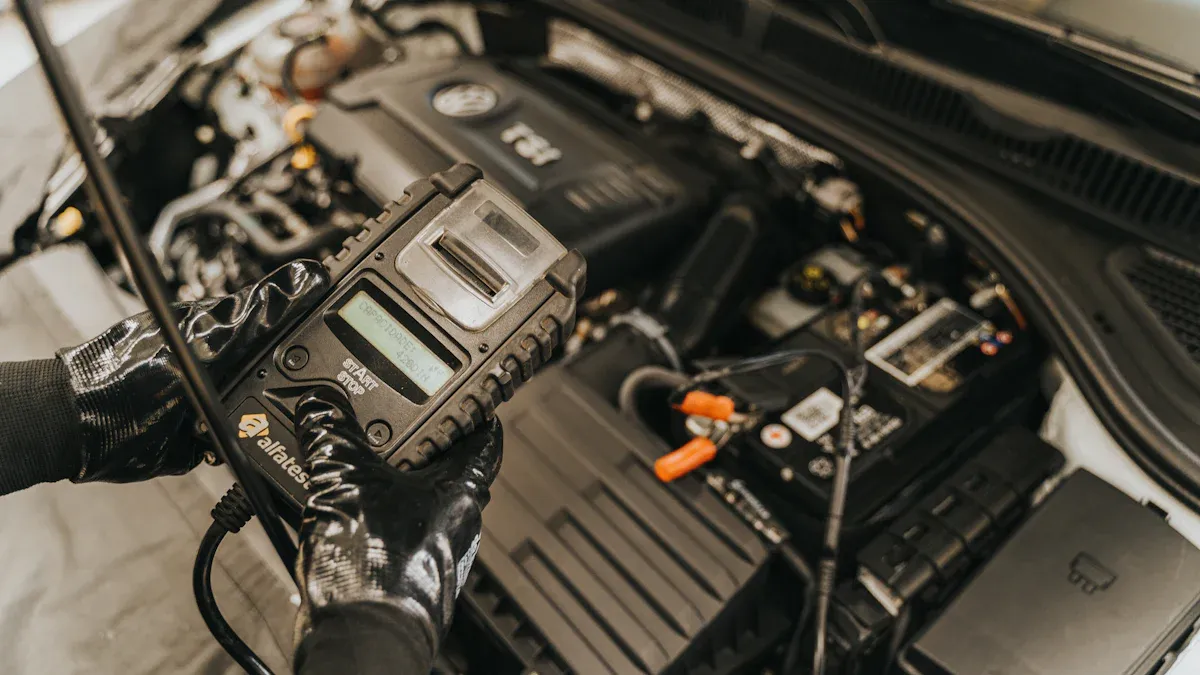
You may see your car act weird if the egr valve fails. Look for these signs:
The car shakes or feels rough when stopped.
You hear knocking or pinging from the engine.
The car does not speed up well.
The car gives off more pollution.
The check engine light comes on.
The car is hard to start or stops running.
The car uses more gas than normal.
You hear rattling sounds when the car is still.
If you notice these signs, do not wait. Finding egr problems early can stop bigger engine issues.
Table of Contents
Key Takeaways
Look for signs like rough idling, knocking noises, or slow speeding up. These signs can mean your EGR valve is not working well.
Act fast if you see more smoke or the check engine light. Finding problems early can stop expensive fixes.
Clean the EGR valve every 50,000 miles to help your engine work well.
Use good fuel and change filters on time to stop carbon from building up. This helps your EGR system last longer.
If you ignore EGR valve problems, your engine can get hurt and repairs will cost more. Take care of your car to keep it running well.
Common EGR Valve Symptoms
Rough Idle and Vibration
You might notice your car shaking or running unevenly when you stop at a light. The engine can feel like it wants to stall. This rough idle often happens when the egr valve gets stuck open or closed. The air and fuel mix inside your engine gets thrown off, making the car vibrate or even shut down. If you feel these shakes, your egr could be the reason.
Signs you may spot:
Engine feels rough or shaky at stoplights.
Car seems like it might stall.
Idle speed jumps up and down.
Tip: If your car shakes every time you stop, check the egr valve before it leads to bigger problems.
Engine Knocking or Pinging
Do you hear knocking or pinging sounds from your engine? These noises can mean the egr valve is not working right. When the egr system fails, your engine can run too hot. This causes fuel to burn unevenly, which makes knocking sounds. You can use a scan tool to check for trouble codes linked to the egr. Mechanics often look for carbon buildup or test the valve with a vacuum to see if it opens.
Common ways to check for this problem:
Scan for codes with an OBD2 scanner.
Look for carbon buildup or damaged wires.
Test the valve with a vacuum or multimeter.
Poor Acceleration and Hesitation
If your car feels slow or hesitates when you press the gas, the egr valve could be stuck. This makes it hard for your engine to breathe. You might notice delayed or uneven acceleration. Service records show poor acceleration happens often when the egr is faulty.
Symptoms | Description |
|---|---|
Poor acceleration | Car feels slow or does not respond well |
You may find it hard to merge onto highways or pass other cars. The exhaust gas recirculation valve helps your engine run smoothly, so problems here can make driving frustrating.
Increased Emissions
A bad egr valve can make your car pollute more. You might see dark smoke from the tailpipe or smell strong exhaust fumes. When the egr fails, your car releases more nitrogen oxides and hydrocarbons. This can cause your car to fail emissions tests.
What you might notice:
More smoke from the exhaust.
Stronger smell from the tailpipe.
Trouble passing emissions tests.
Note: If your car fails an emissions test, the egr system could be the cause.
Check Engine Light
The check engine light is a big warning sign. If it comes on, your car’s computer may have found a problem with the egr valve. Sometimes, you will see this light along with other symptoms like rough idle or poor acceleration. The check engine light can help you catch egr problems early.
What to do:
Use a scan tool to read the codes.
Look for codes linked to the egr system.
Difficult Starts and Stalling
You may have trouble starting your car if the egr valve is stuck. Sometimes, the engine stalls right after you start it or when you stop. This happens because the airflow inside the engine gets blocked or mixed up. If your car stalls often, the egr could be the problem.
Signs to watch for:
Car takes longer to start.
Engine stalls at stop signs or lights.
High Fuel Consumption
If you find yourself filling up the gas tank more often, the egr valve might be to blame. When the egr system fails, your engine burns more fuel. You will notice your miles per gallon drop. This means you spend more money on gas.
What you may see:
More trips to the gas station.
Lower fuel economy numbers.
Rattling Noises at Idle
Rattling noises at idle can point to a problem with the egr valve. If the valve gets stuck, it can cause rough idle and strange sounds. You might hear rattling when your car is stopped. This symptom shows up in many car models, but it always means something is wrong with the egr.
If you hear rattling at idle, get the egr checked before it causes more trouble.
When you spot these symptoms, pay attention. The egr valve plays a big role in keeping your engine healthy. Catching problems early can save you from costly repairs and keep your car running smoothly.
What to Look Out for in a Failing EGR Valve
Early Warning Signs
You might wonder what to look out for in a failing egr valve. The first signs often seem small, but they can tell you a lot. If you notice your engine idle jumping up and down or your car stalling when you stop, pay attention. Sometimes, you smell strong fuel or see more smoke from the tailpipe. These clues can point to egr trouble before bigger problems show up.
Here are some early warning signs you should watch for:
Unstable engine idle, especially when starting or stopping.
Engine stalls at idle speed.
Poor engine performance, like slow acceleration.
Increased fuel consumption.
Strong fuel odor.
More emissions or trouble passing tests.
Check engine light comes on.
Engine overheating.
Tip: If you spot any of these, don’t ignore them. Catching egr valve issues early can save you money and stress.
How Symptoms Progress Over Time
At first, you may only notice a rough idle or a little hesitation when you press the gas. Over time, these symptoms get worse. Your car might stall more often, use more fuel, or struggle to start. The check engine light may stay on. You could hear knocking sounds or rattling at idle. If you keep driving with a bad egr valve, your engine can overheat or even get damaged.
Stage | What You Might Notice |
|---|---|
Early | Rough idle, small stalls, fuel odor |
Middle | Poor acceleration, more emissions |
Advanced | Frequent stalling, overheating |
When to Take Action
You should act as soon as you see what to look out for in a failing egr valve. Don’t wait for the symptoms to get worse. If your car shakes, stalls, or uses more gas, get the egr checked. A mechanic can test the egr valve and fix it before it causes bigger engine problems. Quick action keeps your car running well and helps you avoid expensive repairs.
Remember: Early attention to egr issues means a smoother ride and a healthier engine.
How EGR Valve Issues Affect Your Engine
Impact on Power and Performance
When the egr valve has problems, your car loses power. You press the gas pedal, but the car feels slow. Sometimes, it is hard for the car to speed up. The egr valve controls how much exhaust goes back into the engine. If it gets stuck or blocked, the engine cannot get enough air. This makes the car run rough or hesitate when you try to go faster. Sometimes, the car shakes or vibrates when you stop. These problems make driving less fun and can make you worry about being safe.
If you do not fix these signs, your car can get worse. You might end up stuck and need help on the road.
Effects on Emissions and Environment
A broken egr valve can make your car pollute more. You might see dark smoke from the tailpipe or smell strong fumes. When the egr does not work, your car lets out more bad gases. This can make your car fail an emissions test. If you fail, you cannot drive your car until it is fixed. High emissions are bad for the air and can get you fined. If you want clean air and to pass your test, watch for egr valve problems.
Signs of more emissions:
More smoke from the exhaust
Stronger smell from the tailpipe
Trouble passing emissions tests
Risks of Engine Damage
If you ignore egr valve problems, your engine can get damaged. Over time, carbon builds up inside the engine. This buildup blocks the exhaust and makes the engine too hot. You might see the engine overheat or even stop working. Mechanics see these problems a lot. If you wait too long, repairs can cost a lot of money.
Here is what can happen if you do not fix egr valve problems:
Risk Type | Description |
|---|---|
Carbon can block exhaust and hurt how the engine works. | |
Restricted Exhaust Flow | Blocked exhaust can make the engine overheat and run badly. |
Increased Emissions | A bad EGR can make your car pollute more and break the rules. |
Decreased Performance | The engine may not work as well because of these problems. |
Costly Repairs | Waiting too long can make repairs very expensive. |
You might think repairs cost a lot. For example, fixing an egr valve on a car can cost about $89 for parts and labor. If you wait and the problem gets worse, you could pay much more.
Tip: Fixing egr valve problems early saves money and keeps your engine healthy.
Troubleshooting an EGR Valve
Step-by-Step Diagnosis
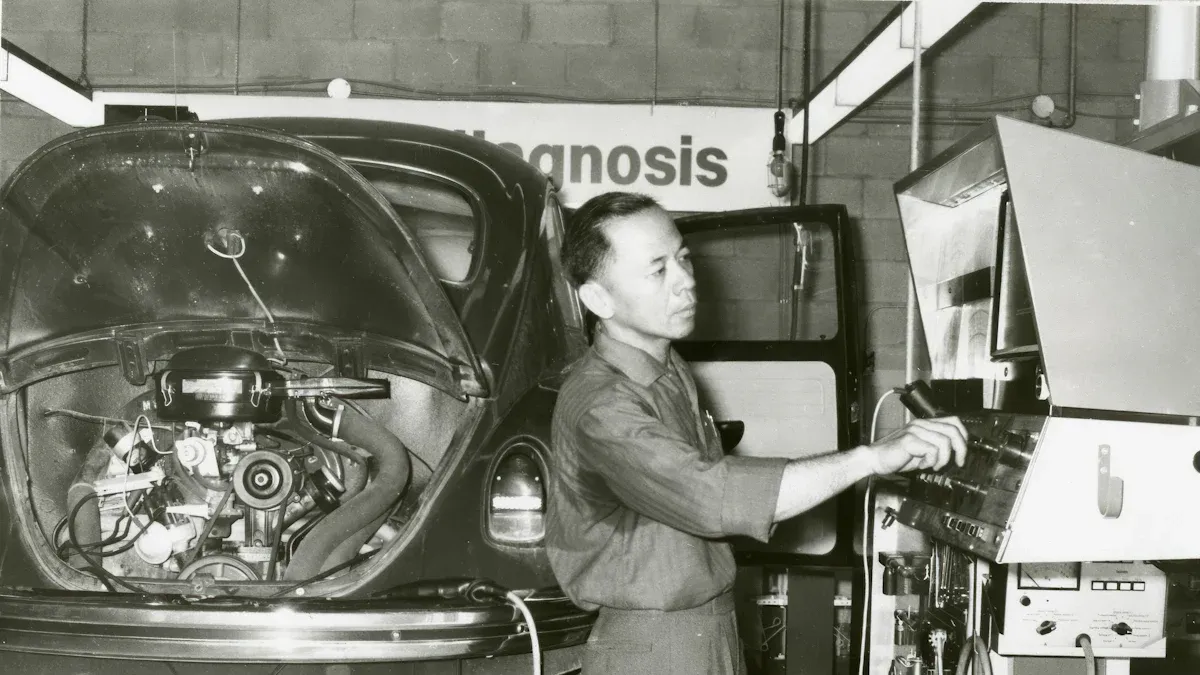
If you want to figure out what’s wrong with your egr valve, you can follow a simple process. Start by plugging a diagnostic tool into your car’s OBD2 port. Turn on the device and pick your car’s make and year. Next, check for common egr fault codes like P0406. These codes help you spot trouble fast. Look at the live data stream to see how the egr system works while the engine runs. Some tools let you open and close the egr valve with a button. This test shows if the valve responds or stays stuck. If you see strange numbers or the valve doesn’t move, you may need to learn how to replace a faulty egr valve.
Steps to diagnose:
Plug in your scan tool.
Select your car’s details.
Read common egr fault codes.
Watch the data stream for odd values.
Test the egr valve’s movement.
Tip: If you spot a code or the valve won’t move, you might need to replace it.
When to Seek Professional Help
Sometimes, troubleshooting an egr valve gets tricky. If you see lots of codes or the engine still acts up after cleaning, call a mechanic. You should also get help if you don’t know how to replace a faulty egr valve or if the valve is hard to reach. Mechanics have special tools and know how to fix egr problems fast. They can clean carbon buildup and check for deeper issues.
Call a pro if:
You see many common egr fault codes.
The engine keeps stalling or knocking.
You can’t reach the egr valve.
Maintenance and Prevention Tips
You can keep your egr valve working longer with simple habits. Change your oil and filters on time. Use high-quality fuel to cut down on soot. Clean the egr valve every 50,000 miles or as your car’s manual suggests. Regular inspections help you spot carbon buildup early. If you add egr checks to your routine, you can avoid big engine problems.
Key for Longevity | What to Do |
|---|---|
EGR/DPF Care | |
Fuel Quality | Use top-grade fuel and replace filters |
Inspections | Look for carbon buildup often |
Regular care helps your engine last longer and keeps your car running smooth.
You now know what to watch for with a bad egr valve. If your car shakes, feels slow, or makes more smoke, do something soon. Studies say 73% of big engine fixes can be stopped if you find egr problems early. Experts learned some important things:
Key Takeaway | Description |
|---|---|
Improve engine performance | More clean air helps your car drive better and feel smoother. |
Reduce maintenance costs | Fixing problems early means fewer breakdowns and smaller bills. |
Avoid EGR cooler blockage | Less carbon keeps your engine working well. |
Legal considerations | Always follow the rules about emissions in your area. |
Acting fast helps your car stay strong and saves you money. Don’t wait—pay attention to your car and enjoy a smooth ride!
FAQ
What happens if I ignore egr valve symptoms?
You risk engine damage and higher repair bills. Your car may stall, use more fuel, or fail emissions tests. Catching problems early keeps your engine healthy.
Can I clean the egr valve myself?
You can clean it if you have basic tools and follow your car’s manual. If you feel unsure, ask a mechanic for help. Safety comes first.
How often should I check the egr system?
Most drivers check the egr every 50,000 miles. If you drive in dusty areas or notice symptoms, check it sooner. Regular checks help prevent trouble.
Will a bad egr affect my car’s fuel economy?
Yes, a faulty egr can make your car burn more fuel. You may notice more trips to the gas station and lower miles per gallon.
What does the check engine light mean for egr problems?
The check engine light warns you about issues with the egr system. Use a scan tool to read the codes. Fixing the problem early saves you money.

A skilled Mechanical Engineer with a passion for automotive technology, our writer combines technical expertise with storytelling to craft engaging and insightful automotive content. Fascinated by the latest advancements in vehicles, he enjoys exploring cutting-edge innovations and often sets out on early morning drives to uncover scenic routes and fresh inspiration for his writing.